Born in Bethlehem: The Story Behind an Olive Wood Nativity
The Nativity Set from Bethlehem: Remembering Where the Story Began

As Christmas draws closer, many homes begin to slow down in small, meaningful ways. The days grow shorter, evenings become quieter, and familiar traditions gently return. A tree is brought inside, lights are switched on, and somewhere in the home a Nativity set is carefully taken out and placed once again.
This moment often happens without words. Hands move slowly. Each figure is set in its place with care. It is a simple act, repeated year after year, yet it holds deep meaning. Within these small figures lives one of the most important moments in history: the birth of Jesus in Bethlehem.
This was not a story that unfolded in imagination. It was not a symbol created later in time. It happened in a real town, among real people, in the quiet of an ordinary night. That truth is what gives the Nativity its lasting power.
For many people, the Nativity does not arrive with celebration or noise. It enters the home gently, almost unnoticed at first. A child resting in a manger. A mother and father close by. A beginning marked not by comfort or wealth, but by love and trust. This quiet beginning continues to speak across centuries.
Bethlehem Is Not Only a Memory

Bethlehem is sometimes spoken about as if it belongs only to the past, yet Bethlehem has never stopped being alive. It is a town where daily life continues much as it always has. People rise early in the morning. Children make their way to school. Families gather again as the day comes to an end.
Faith here is not distant or abstract. It is woven into everyday life. The Nativity story did not happen somewhere far removed from human experience. It happened here, among ordinary moments and ordinary people.
The Gospels speak plainly. Jesus was born in Bethlehem. This detail matters, because it reminds us that faith is rooted in reality. It grows within the world as it is, not as we imagine it to be.
Today, the Church of the Nativity still stands over the cave believed to be His birthplace. Visitors from around the world enter through its low doorway and naturally bow their heads as they step inside. The movement is unplanned, yet meaningful. The space itself invites silence, humility, and reflection.
The Quiet Language of Olive Wood

The hills around Bethlehem are shaped by olive trees. They grow beside stone terraces, in family fields, and along paths walked for generations. Many of these trees have stood for hundreds of years, surviving drought, wind, and time.
Olive trees grow slowly. They do not rush. They endure difficult seasons and continue to give year after year. In the Holy Land, they have long been symbols of peace, patience, and steadfast faith.
The olive wood used in Nativity sets comes from pruned branches or trees that no longer bear fruit. No tree is cut down simply to be carved. There is respect in this process, and care in how the wood is chosen and prepared.
Each piece of olive wood carries its own character. The grain is never identical. The color is never flat. Every curve and line tells a story shaped by nature and time. This is what makes olive wood especially fitting for the Nativity story.
Handcrafted with Care in Bethlehem

In Bethlehem, olive wood Nativity sets are still carved by hand in small workshops. This work is not hurried. It begins with patience and attention. Each piece of wood is examined carefully before carving begins.
Artisans follow the natural grain rather than forcing the shape. The wood guides the hand as much as the hand shapes the wood. Because of this, no two Nativity sets are ever exactly the same.
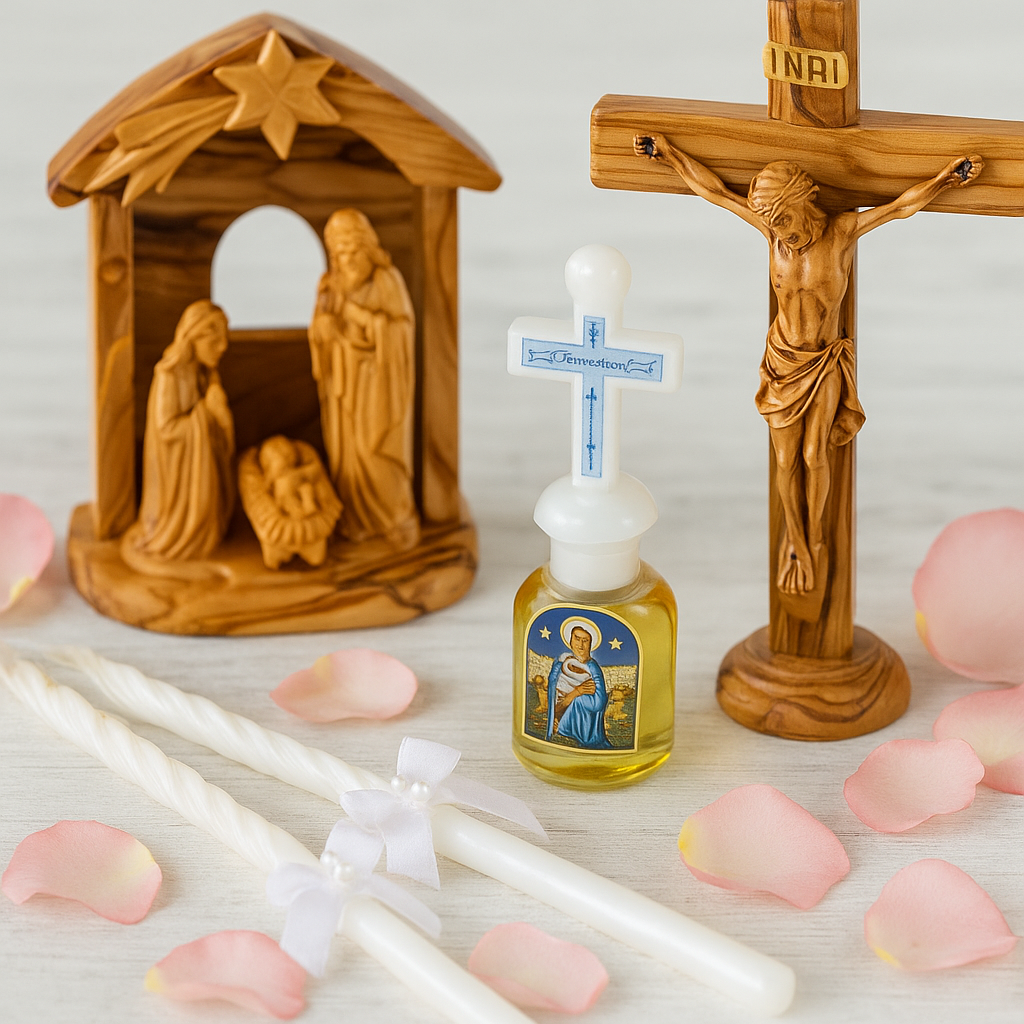
Mary is carved with quiet tenderness. Joseph with strength and calm presence. The Child Jesus is small and simple, reflecting the humility of the moment. These figures are not meant to be perfect or polished. They are meant to feel real.
This same spirit of care and authenticity is at the heart of what is shared at zuluf.com, where olive wood Nativity sets from Bethlehem are offered with respect for the land, the craft, and the story itself.
A Presence That Grows with Time

Over time, a Nativity set becomes part of a family’s life. Children grow up seeing it each Christmas. Hands learn where each figure belongs. Sometimes a piece is gently repaired, and that repair becomes part of its story.
In this way, the Nativity becomes more than decoration. It becomes a presence in the home. A reminder to pause. A quiet invitation to slow down in a season that often feels rushed.
When a Nativity set is made in Bethlehem from olive wood grown in this land, that sense of connection feels even closer. It links the home where it is placed to the place where the story began. This connection is exactly what many families seek when they explore authentic pieces from Bethlehem through zuluf.com.
Why Bethlehem Still Matters
Bethlehem is not only a place remembered for history. It is a place where people still live and work today. Christian families remain here. Artisans continue their craft. Traditions are carried forward quietly, often with great dedication.
Choosing a Nativity set made in Bethlehem helps support these living communities and preserve a craft passed down through generations. This connection is not charity. It is relationship and respect.
For those who wish to deepen that connection and learn more about handmade olive wood Nativity sets created in Bethlehem, zuluf.com offers a doorway into that story, shared directly from the place where it continues to live.
A Final Thought
Jesus was born in Bethlehem. Not in comfort. Not in power. Not in wealth. He was born simply, among ordinary people, in a town that still exists today.
An olive wood Nativity set from Bethlehem is not meant to impress the eye. It is meant to bring peace to the heart. It reminds us that love often arrives quietly, and that the most meaningful things are often the simplest.
Sometimes, all it takes is a small scene, placed gently in a home, to remember where the story truly began.


Comments
Post a Comment