Hand-Carved Olive Wood Figures from Bethlehem: Faith Shaped by Time
- Get link
- X
- Other Apps
Olive Wood Figures and Statues: Craft, Faith, and Heritage from Bethlehem

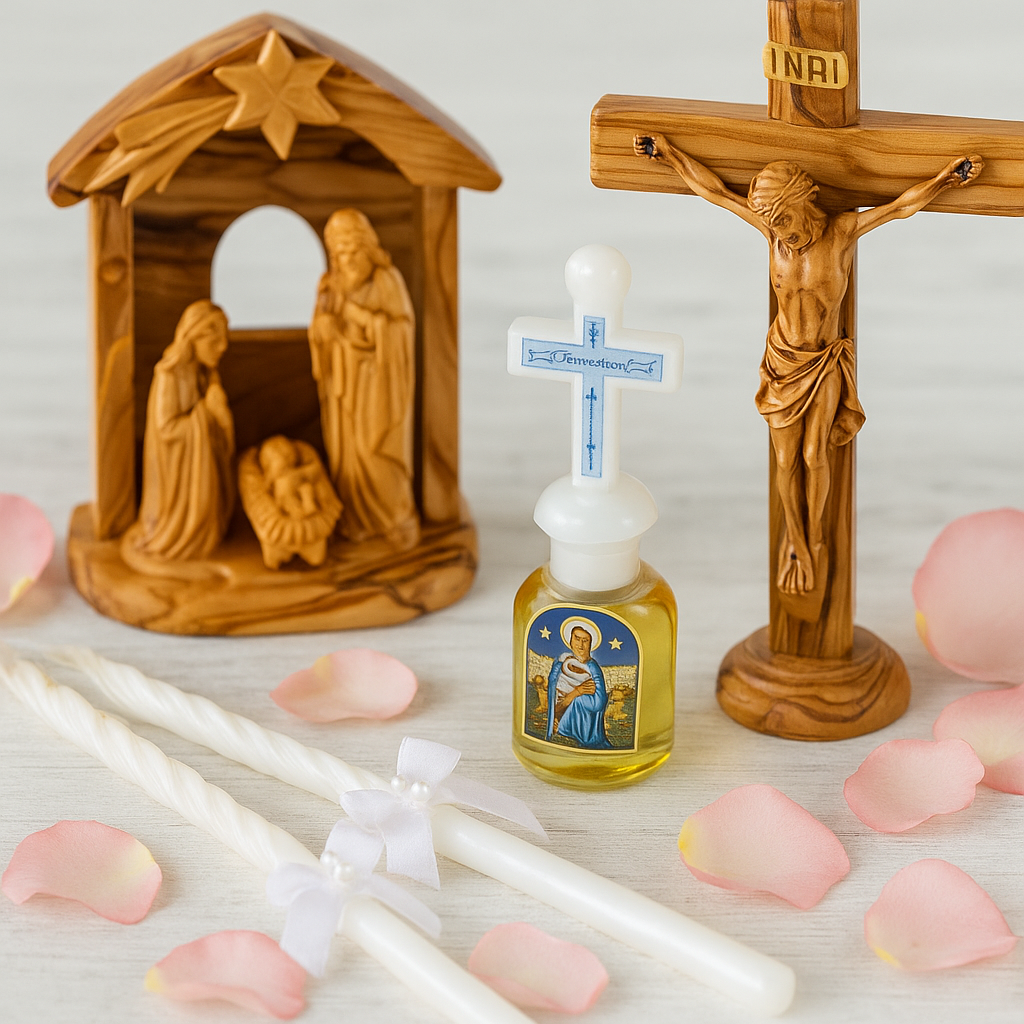
Olive wood figures from Bethlehem have a quiet power that speaks without words. From the first moment you see one, you can sense that it was made slowly and thoughtfully, shaped by real hands rather than machines. The wood feels warm and alive, and the carving carries a calm presence that draws you in. These statues are not created to be quickly admired and forgotten. They are meant to live with you, to become familiar over time, and to take their place naturally within your home or sacred space.
In Bethlehem, olive wood carving is deeply woven into everyday life. It is a tradition learned early, often passed down within families. Many artisans grow up watching a parent or grandparent carve, absorbing the craft long before they ever hold a tool themselves. Over years of observation and practice, their hands learn precision, balance, and restraint. This slow, patient learning is what gives Bethlehem olive wood figures their depth. Each piece reflects generations of experience and an understanding that cannot be rushed or taught quickly.
Respecting the Olive Tree
The journey of every statue begins with the olive tree. Bethlehem artisans use olive wood sourced from pruned branches or trees that have reached the end of their fruit-bearing life. These trees are never cut down carelessly. They are respected as part of the land and its history. The olive tree has long symbolized peace, endurance, and faith, and that respect guides how the wood is chosen and used.
Once collected, the wood is set aside to dry naturally. This stage can take years, not months. During this time, the wood slowly stabilizes, releasing moisture at its own pace. Artisans understand that skipping or shortening this step can ruin the final piece. Cracks, warping, or weakness may appear later if the wood is rushed. Patience at this stage ensures that the finished statue will remain strong and beautiful for many years, often becoming something that is passed down within families.
Shaping the Wood by Hand

Only when the wood is fully ready does the carving begin. Each figure is carved entirely by hand using traditional tools. There are no molds, no copies, and no shortcuts. The artisan starts with a solid block of olive wood and gradually reveals the form hidden inside. This process requires focus, steady hands, and a deep understanding of the material.
The natural grain of the olive wood plays a major role in shaping the final result. Its lines and color variations guide the carving rather than being covered or ignored. This is why every statue is unique. Even when the same subject is carved many times, no two figures will ever be identical. Natural patterns in the wood may become folds in a garment, movement in wings, or subtle character in a face. These details are discovered, not forced.
Expression, Balance, and Meaning
One of the most remarkable qualities of Bethlehem olive wood figures is their expression. Faces are carved with great care and sensitivity, capturing emotions such as peace, compassion, strength, or reflection. Small details like the eyes, hands, and posture receive special attention, as they are what give the figure its emotional presence.
The carving of clothing, wings, and symbolic elements is equally deliberate. Robes flow naturally, forms feel balanced, and nothing appears stiff or artificial. This harmony comes from years of practice and a deep connection to the stories and meanings behind each figure. The goal is not perfection in a technical sense, but truth in expression.
A Craft Shaped by Faith

For many artisans in Bethlehem, carving religious figures is a personal and spiritual act. These figures represent beliefs and traditions that are part of daily life, not distant ideas. The artisans know their work may find a place in homes, churches, or prayer spaces across the world. This knowledge brings a strong sense of responsibility and care to every stage of the process.
After carving, each statue is finished by hand, often polished gently to highlight the natural beauty of the olive wood. Heavy paints or artificial finishes are avoided. The intention is to let the wood speak for itself. Over time, olive wood develops a deeper, richer tone, adding to the character and warmth of the piece.
More Than an Object
An olive wood statue from Bethlehem is more than a decorative item. It often becomes part of meaningful moments in life. Many are given as gifts for baptisms, weddings, confirmations, or other important milestones. Others remain close during moments of prayer, reflection, or remembrance. Because they are handmade, these figures carry a sense of honesty and warmth that mass-produced items cannot replicate.
You can feel that a real person stood behind each piece, making choices, correcting details, and knowing when the carving was complete. That human presence stays with the statue long after it leaves the workshop.
Preserving a Living Tradition

By choosing an olive wood figure from Bethlehem, you help sustain a living tradition and support local Palestinian families who depend on this craft. In a region filled with uncertainty, olive wood carving remains a vital source of livelihood and cultural identity. Each piece sold helps preserve skills and knowledge that have been passed down for centuries.
This craft cannot be replaced by machines without losing its meaning. It continues because people value authenticity, patience, and the beauty of work done by hand.
Carrying Bethlehem with You
Holding an olive wood statue from Bethlehem means holding more than wood shaped into a form. It means holding a story of land, faith, time, and human dedication. It represents years of waiting, hours of careful carving, and generations of experience.
That is why these figures feel different. They are not made to be flawless. They are made to be genuine. And that authenticity is what gives them their lasting beauty.
- Get link
- X
- Other Apps


Comments
Post a Comment